Focused decision engagement
Bring one difficult decision—such as a product target, equipment choice, or operating question—and leave with a clear set of requirements and next steps.
 Workbench
Independent distillery consulting / product + process + facility
Dissenting Spirits provides independent distillery consulting for spirit product development, facility design, equipment selection, commissioning, and stable day-to-day production. We help new and operating distilleries turn product targets into repeatable processes, trained teams, and workable economics.
Tell us what you are building. Start with your product target, production needs, site constraints, or operating challenge.
07 / What happens first
Choose the level of support that matches the question, project, or operation you are working through.
Bring one difficult decision—such as a product target, equipment choice, or operating question—and leave with a clear set of requirements and next steps.
Use Dissenting Spirits across product development, equipment selection, facility work, commissioning, or operations when your team needs experienced support through delivery.
Connect product, process, facility, workforce, and operating decisions from early definition through installation, commissioning, training, and handoff.
08 / Make a move
Tell us what you are making, where you are in the process, and what decision you need to make next.
jason@dissentingspirits.comComplete the inquiry to access downloadable copies of our team CVs and Capabilities Statement. The project details help us focus the first conversation on fit and your next decision.
05 / Fieldwork
The work connects product targets to the equipment, schedule, people, and operating decisions needed to deliver them.
Project example / fermentation planning
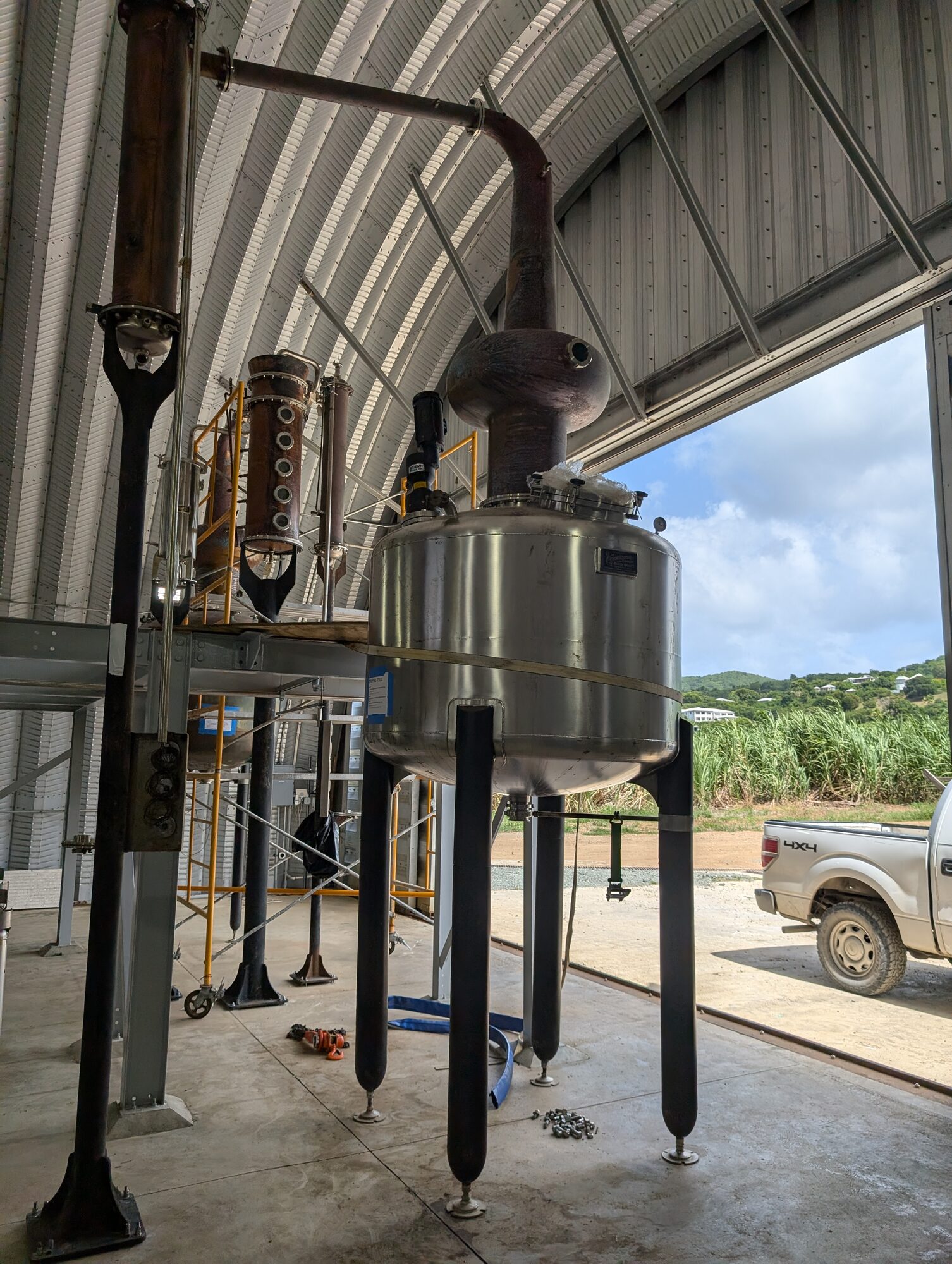
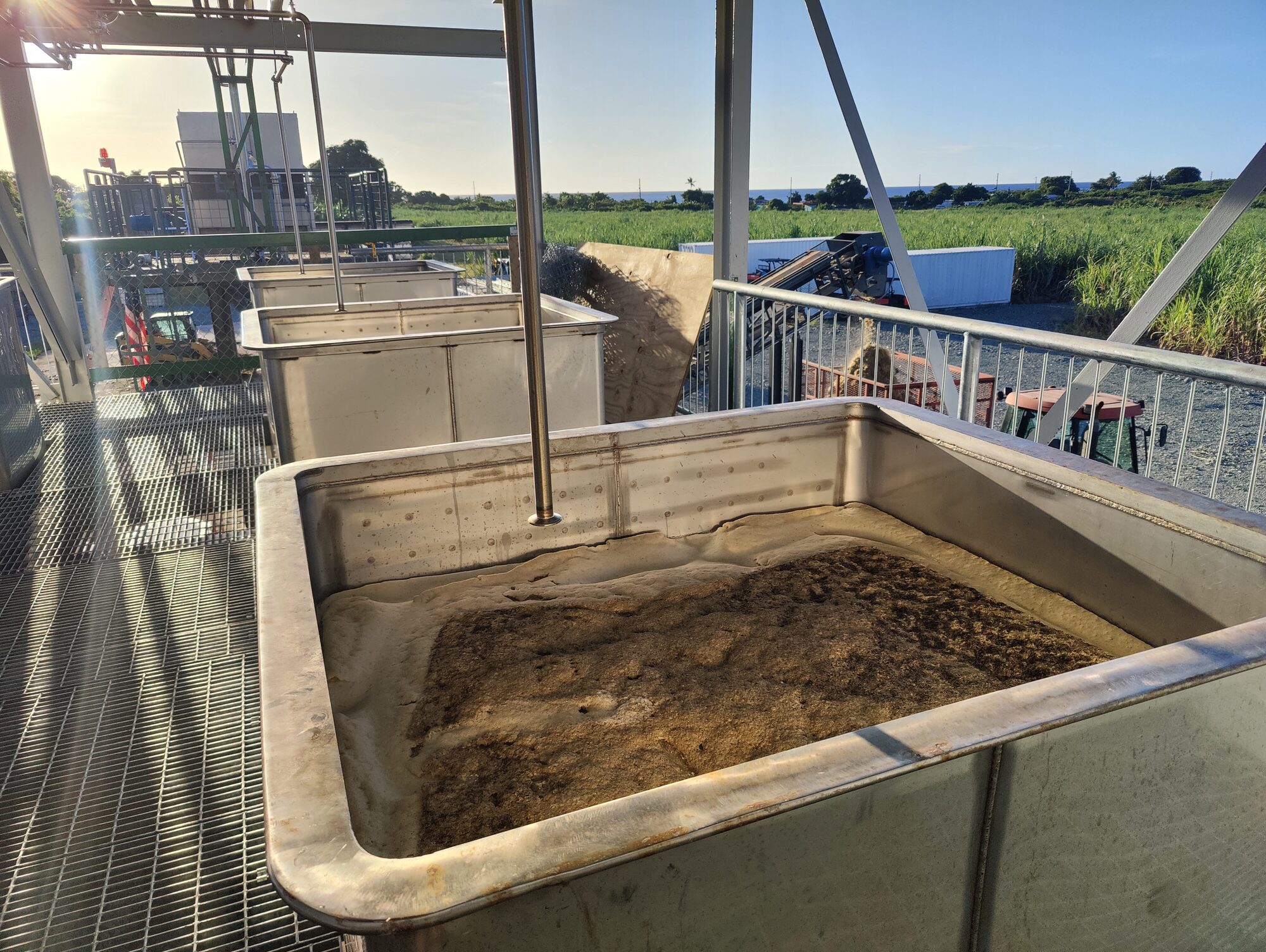
Production and fermentation planning for a cane-based distillery connected a harvest schedule to a distillery schedule. The planning question included variation in cane sugar content and soil water content across areas available for the next run, plus differences in cane taste that affected the production decisions under consideration. The recommendation aligned harvest readiness, cane flavor, yeast selection, and fermentation protocols into one production schedule, connecting raw-material constraints to the product and operating plan.
Read the cane distillery fermentation planning summary| Situation | Relevant workstream |
|---|---|
| Developing a new spirit | Product development and process targets |
| Selecting equipment | Equipment, software, controls, and automation requirements |
| Commissioning a facility | Startup, launch, installation, and commissioning support |
| Stabilizing production | Day-to-day operations and production routines |
| Training an operating team | Workforce strategy, operator training, and shift routines |
01 / Choose your starting point
The first conversation can focus on the situation, decision, or production question in front of your team.
Define the liquid and production target, then evaluate recipe scale-up, process requirements, equipment, and operating needs.
Start with the product target and the decision in front of you.
Connect product requirements to equipment, software, automation, installation, commissioning, and the people who will run the operation.
Start with the facility constraint, equipment question, or launch milestone.
Improve operating routines, handoffs, workforce planning, resource use, and the production decisions that support day-to-day work.
Start with the operating challenge and what needs to change next.
01 / The point of view
Start with the liquid and production target first. Then choose the process, equipment, people, and economics designed to support consistent production. Validate the system through startup, training, and ongoing operational control.
03 / What we make work
From product development and equipment selection to startup, operations, and workforce strategy.
Product development connects the liquid you want to make with the process that can make it consistently. We work through formulation, pilot batches, scale-up, and stability questions before a recipe becomes a production problem.
Typical outputs
Decision to clarify: Which product target should move from a bench or pilot batch into the production process?
Equipment and software choices affect product quality, staffing, maintenance, commissioning, and future capacity. We compare the options against the product target, production volume, budget, site, and team that will operate the system.
Typical outputs
Decision to clarify: Which equipment and controls fit the product, volume, budget, and operating team?
A facility launch requires more than installed equipment. We connect layout and utilities with vendor coordination, installation, commissioning, operating procedures, and the preparation needed for the first production run.
Typical outputs
Decision to clarify: What needs to be complete, tested, and assigned before the facility starts production?
Operating support focuses on the routines that keep production moving: scheduling, packaging, maintenance, demand planning, and the handoffs between teams. We help identify the operating decision that is creating the most friction and make the next change practical.
Typical outputs
Decision to clarify: Which operating routine or handoff needs to change first to support the current production target?
A production system depends on people knowing what to do, when to do it, and how to make a safe decision when conditions change. We define roles and training needs, then build practical GMP, HACCP, onboarding, and shift routines.
Typical outputs
Decision to clarify: Which roles, training, and operating routines are needed for the team to run the system safely?
Energy and resource work starts with the actual process rather than a generic efficiency promise. We examine heat, water, motion, yield, and raw-material use to identify opportunities that can be evaluated against product-quality requirements and operating constraints.
Typical outputs
Decision to clarify: Which resource-use opportunity is worth evaluating without compromising the product requirements?
04 / How we work
Set the product target, production volume, budget, site constraints, and staffing requirements.
Select equipment and software, develop the process, and support installation and commissioning. Work is coordinated with the project team, vendors, contractors, and required professionals.
Train operators, document the work, and support early production to help prepare the team for stable operations. Long-term performance depends on ongoing execution and site conditions.
06 / The people
The work stays close to the people making the product, running the process, and carrying the decisions into production.
Co-founder + Principal Process Engineer
Jason leads process and facility engineering, including PLC design, fluid dynamics, enzymatic processing, equipment selection, and product development. He also brings a bartender’s understanding of the finished drink.
Read the profileCo-founder + Principal of Operations / Master Distiller
Nathaniel supports operations across teams, supply chains, budgets, packaging, ERP systems, and distillery production.
Read the profile